Where do I start?

Sometimes when we sit down to write, we get lost and wonder, “Where do I start?”

One answer: Choose a natural starting point.

When we read a good novel, it all seems to unfold so naturally from the first sentence, so why do we have a difficult time getting started? We need to remind ourselves that famous authors are faced with the same problem. Don’t laugh now, but they have editors to help them, too.

Think about real life. No significant episode in your own life sprung up from nothing; things happened that shaped the current event, and things happened afterward as a result of it. Think about your story in the same way. The characters have pasts and futures (unless you plan to kill them). Places, too, have pasts and futures. Therefore, every good storyteller jumps into his story midstream. Knowing this can help you relax about picking a starting point.
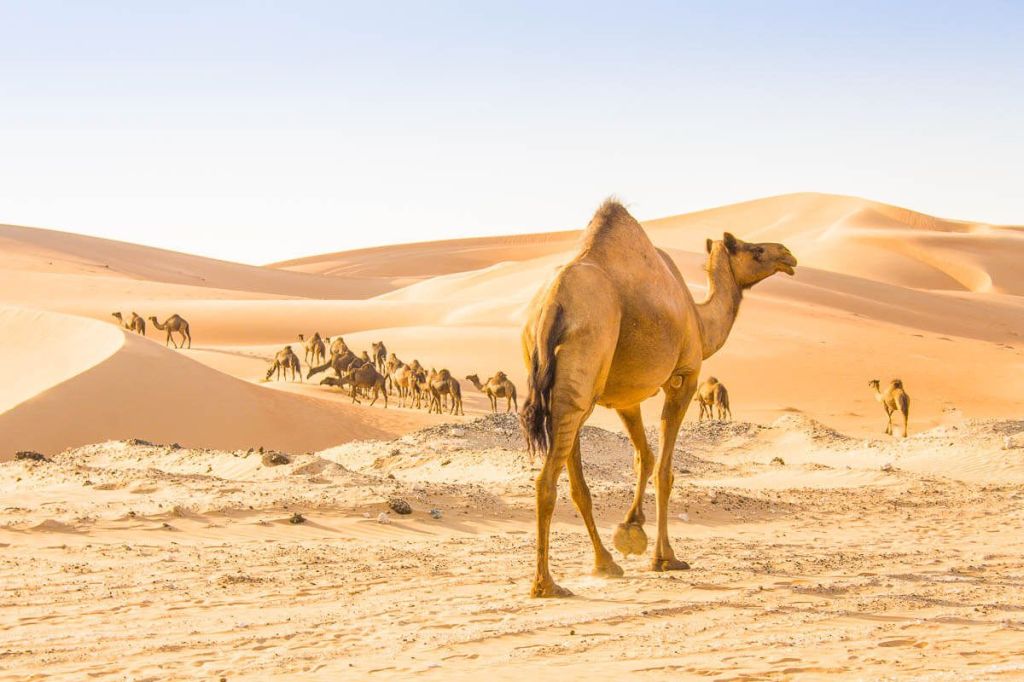
For example, I’m writing about Abraham, and I start with him as an adult in the desert with his camel when God speaks to him. Abe begins mulling over world events and planning his escape from Ur of the Chaldees without being caught. With that setting as my anchor, I build the story.

If you’re unsure where to begin, pick a scene you know you’re going to put in—you just don’t know where yet—and start writing it. You might discover your Chapter One right there. And even if you don’t, you’ll have story material for that scene when the time comes.

Or……

Write several character sketches. You need them anyway, and they’re great warm-ups for Chapter One. Ask yourself: What will this character be doing when we first meet him? Write it. Again, you might find yourself writing Chapter One…or Chapter three. But start.

Your could even do a Chapter-One-Only brainstorm and see what comes out.

You can write a great story starting from any of several places. But wherever it is, start with action! That will help you to …

Write Creatively.

More Reasons Why People Write…

Writing is tedious; it requires patience and enthusiasm. With that in mind, many writers are creative geniuses who change people’s lives. Here are some of the reasons why writers are truly inspiring.

Writing conveys emotion, intellect, and creativity. Reading a well-written novel, poem, or devotional can lift us out of the doldrums of life, lift us to a higher plane, and help us to see beyond our mental and physical boundaries.

So if you have any desire to write, if you’ve ever considered it, or if you are in the process of writing right now, think of your reader and take him or her on an enjoyable or exciting journey.

It takes a lot of enthusiasm to become a good writer. Let your readers feel that enthusiasm, and you accomplish that goal by …

Writing Creatively.

Here We Are in California ……

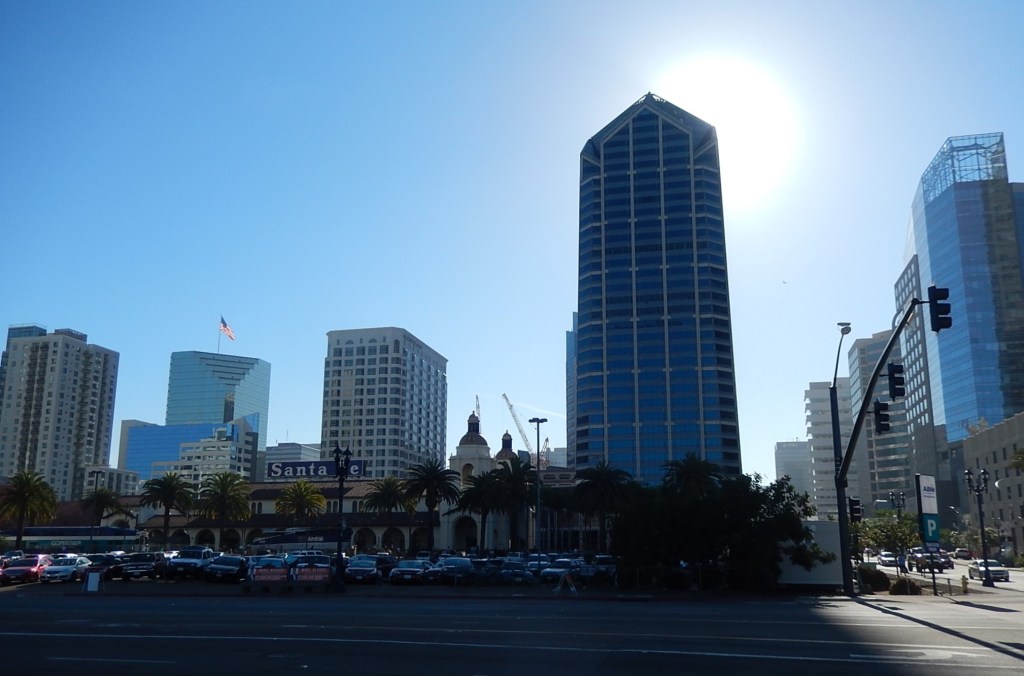
It’s raining and hailing in Arkansas where I call home; it’s sunny in north-central California where my wife is visiting our son and his family; and it is sunny where I am filling in as pastor for 2 months near San Diego.

And, yes, I continue formatting books and publishing them for folks. I get calls and emails from clients – as I did within the past half hour – telling how happy they are with the work we at P&L Publishing and Literary Services did for them.

If you are ready with your manuscript and want it transformed into a book, or if you have questions about how to proceed, contact us, and we’ll be glad to help.

Have a great day, and don’t forget to …

Write Creatively.

The Courage to Fail


An acquaintance allowed me to post his thought on why some folks won’t write.

“Through the years I have noticed a curious phenomenon. People who are experts in literature, who know grammar, who can discuss the intricacies of plotting, characterization, setting, pacing, etc., people who seem to have all the equipment necessary to succeed at writing, rarely try it. Although these people sometimes have PhDs in English and literature, they seem quite content watching hacks like me turn out numerous successful novels. I’m not complaining, you understand, but I have a theory about why this is so. These folks would be satisfied with nothing less than writing a masterpiece, and since they know that is highly unlikely, they write nothing. They are afraid they will fail. On the other hand, I have no ambitions about masterpieces–I just want to write fun books that entertain people and make a living doing it. I want to write the kind of books that I like to read. So I write and the experts read.”

So, dear reader, develop the courage to fail. But remember, the only real failure is one who doesn’t try. So sit down and begin writing that story that’s been on your mind. You will be glad you did. And you will surprise yourself to find that you can …

Write Creatively.

Resistance Slows Us Down

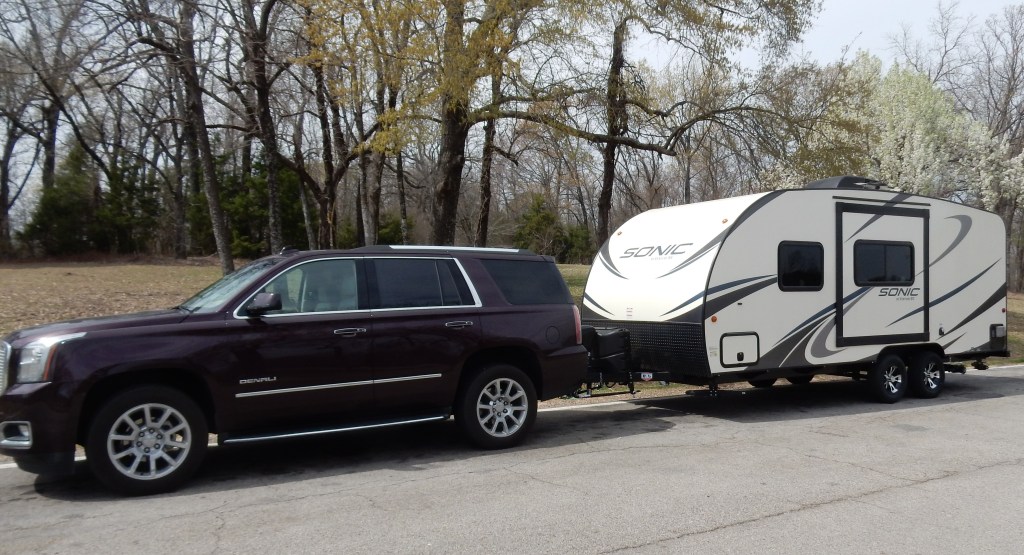
We’re on our way to Southern California where we’ll spend two months teaching and helping others. Our 2017 Yukon gets up to 25 mpg on the open road, but when pulling an RV, our mileage usually drops to 10-14. It depends on the conditions. But this trip was different.

From western Oklahoma, through the Texas panhandle, and into New Mexico, we hit a powerful headwind that took our mileage down to 9 mpg. In some areas, we encountered a powerful crosswind that blew one large truck off the highway and rolled it onto its side.

Wind is often a powerful resistance, and we have to adjust our driving habits to assure that we drive safely. But other situations present other types of hindrances.

Unexpected obligations and responsibilities are other types of resistances. This trip is one of them. As mentioned above, I am traveling now and will be busy teaching and mentoring for two months, and that will require some of the time I have invested in writing these blogs.

You may have noticed that I’ve missed several days already. Therefore, until the middle of July, I will probably write 2 blogs a week rather than my usual 5.

You writers and authors also encounter resistances in your writing. Yes, you are also slowed down at times, but don’t allow the hindrances to stop you completely, and don’t become discouraged.

Fulfill your obligations and meet your responsibilities. But do continue to set time aside to continue your writing, and when you do, make sure you …

Write Creatively.

Dreams Can, and Do, Come True

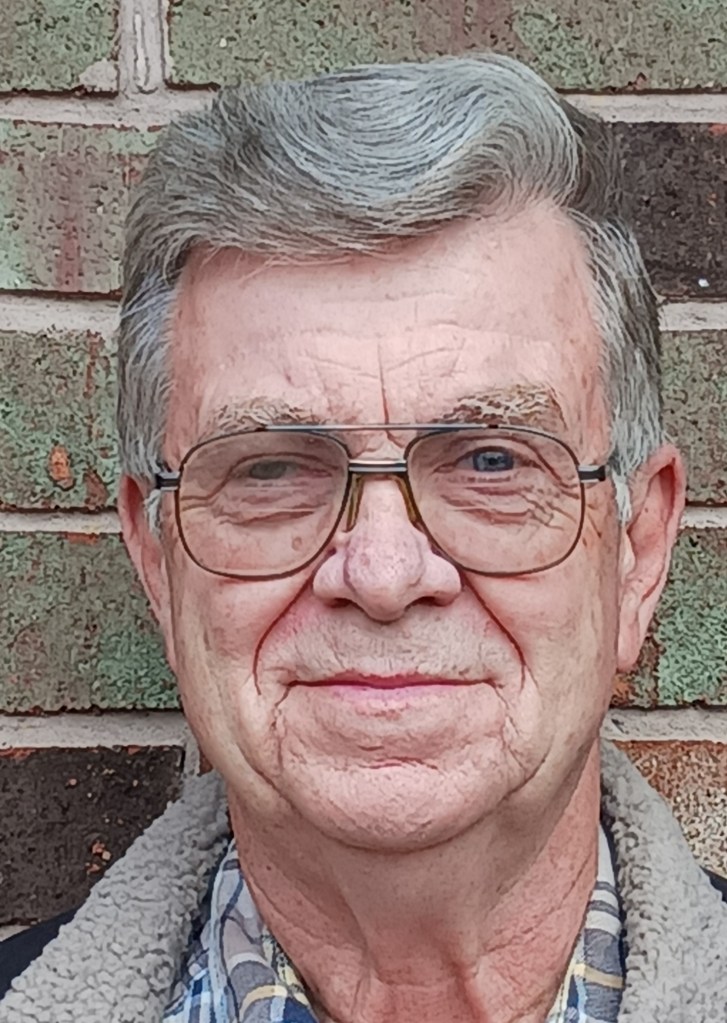
After 60 years, a childhood dream became reality! In late 2022, a man in his early 70s finally became an author, and now his second novel has been completed.

In his fourth-grade classroom, Charles Yancey’s teacher gave him a book titled Nobody Loves Me, authored in 1890 by Amy Catherine Walton, also known as Mrs. O. F. Walton. That book, placed in the hands of a child who already loved reading, sparked a genuine, decades-long interest in writing. He made up his mind that someday he’d write such a book, and his dream became reality.

In December of 2022, Yancey published Alone…Yet Not Alone, now popular with both teens and adults. The sequel to that book, Make Room for Others, Jonah, is also receiving great response. Yancey is elated at the success of his books.

Yancey was hesitant to submit the manuscript for his first novel for publication, and was further reticent to write another book. But upon receiving eager response from many readers, he complied with requests for a second novel. Will there be a third? Well, that remains to be seen.

Here are Charles Yancey’s own words. “For me, writing is a rewarding pastime. Although it’s demanding on time and effort, it can still be very satisfying. Everyone has a story. You might think no one is interested in hearing or reading yours, but that may not be true. Millions of people spend hours reading every day. People want to hear about adventures, hobbies, vocations, vacations, etc. that other folks have. It’s a way they can experience adventure and excitement that they, for many reasons, cannot encounter. And listen: the older generations have stories many young people would appreciate hearing. The key is telling them in an exciting way.

“I wish I had, in print or recording, the accounts I’ve heard from my parents, grandparents, and in-laws. But I don’t, so at least I’ll share my own stories for my family and friends. I think you should do it, also. You might be as surprised as I was at the results.

“And you might allow P&L Publishing and Literary Services to help you, as they did me. They do a great job.”

Tip #4

What is your job, your function as a writer? Do you write poetry or prose? If you write prose, what genre do you favor If you write novels, you probably tell stories. James A. Michener was a storyteller, and he excelled at it.

Tip #4. “The job of a storyteller is to tell stories, and I have concentrated on that obligation.”

And Mr. Michener did an outstanding job! You might have noticed that his novels are long. For example, Texas has 1,474 pages, and Hawaii has 1,490 pages. But he conducted extensive research, he did his homework, and rewrote them several times with editorial assistance. The first printing of Texas was 750,000 copies.

But don’t try to copy Mr. Michener. Don’t try to write long stories. Instead write what you feel comfortable with. Be yourself, establish your voice and your style, do your homework, give yourself time to excel. But write! And you may be thrilled with the results if you …

Write Creatively.

Tip #3

James Michener read many other author’s writings. Not that he wanted to copy them – not at all. But reading other’s writings helps us establish our literary direction and form our own voice.

Tip #3. “I think the crucial thing in the writing career is to find what you want to do and how you fit in. What somebody else does is of no concern whatever except as an interesting variation.”

Learn to write well. You must study and practice, but be your own person. Develop your own style. Excellent writing normally does not materialize overnight. As one mentor suggested: write – write – write – and keep on writing.

So, go ahead and dream about becoming a famous writer, but invest the time to help you reach your goal. And don’t forget to learn how to …

Write Creatively.

Tip #2

Mr. Michener understood that first drafts are never to be published. He thought, as I do, that it’s easier to correct something already written than it is to write it correctly the first time.

Tip #2. “I have never thought of myself as a good writer. Anyone who wants reassurance of that should read one of my first drafts. I’m not a very good writer, but I’m one of the world’s great rewriters.”

So, get your first draft written, and don’t be concern about making it perfect as you write. It’s the rewriting – sometimes rewriting several times – that makes it good. You might need an editor, as Michener did, and P&L has an excellent editor you can call on.

So, set up your plan, start writing, and …

Write Creatively.