What Are Your Preferred Genres?

Bible, science, and history have been my chosen genres for the past 45 years. However, within the past 3 years I adopted Creative Nonfiction, and am considering Documentary Historical Fiction.

The shortest definition of Creative Nonfiction is: a true story well told. Best selling author, mentor, and instructor Lee Gutkind said, “I am often asked: ‘What is creative nonfiction?’ Memoir, for example, personal essay, biography, narrative history, and long form narrative reportage may all fit under the creative nonfiction umbrella. Writers who write creative nonfiction are very different in voice, orientation and purpose. But what they have in common is that they are, in one way or the other, writing true stories that provide information about a variety of subjects, enriched by relevant thoughtful ideas, personal insight, and intimacies about life and the world we live in. And this scope and variety is exactly what makes creative nonfiction significant and, these days, so incredibly popular.”

Creative nonfiction involves descriptive narrative, but we need to be careful not to overdo the verbosity. However, this genre – used correctly – vies for first place with fiction for popularity. Look up Lee Gutkind and learn more.

‘ll talk about Documentary Historical Fiction another time. In the mean time …

Write Creatively.

You Might Want to Know …

One of our readers recently emailed us with a few questions. I want to share the primary question with you because it seems that many people don’t know this bit of info.

Can changes be made to my book after it’s published? And if so, how do we go about it?

The first answer is “Yes. We can modify anything we publish.” Working with us, P&L Publishing and Literary Services, the author never loses ownership of his or her work. Therefore, the author can ask for changes any time … even many years later.

The second answer is also easy. Just send us a document listing what you want to modify, and we’ll make the changes. But please note: we cannot change anything we did not publish.

There most likely will be a fee involved, and the fee will depend on the nature and complexity of the changes.

One of the benefits working with P&L is that we try to make things easy for our authors. When you call, you will talk with a live, breathing, friendly person. Have a great week, and …

Write Creatively.

Tonight, Change Your Clocks

Don’t forget: tonight at 2 AM, we lose an hour. But don’t lose sleep over losing sleep; plan ahead and relax. Unless Congress changes things, you’ll get that lost hour back at 2 AM on Sunday, November 3, 2024.

In the mean time …

Write Creatively.

Don’t Quit Writing – Just Change Directions

In 1982 I started writing a book about ancient Middle-eastern history. I enjoy studying about Abra … what did you say? Did I finish it?

Well, not quite. I mean, no. I have perhaps over 500 pages of research on it, and have written 18 chapters. But often an idea for change hits my mind, and I stop work on the project until the change has been understood, resolved, and implemented. Apparently I am not ready to finish this one, yet.

What have I been doing? Well, I’m glad you asked. I have written 4 other books, and 2 more are on the drawing board. But I will eventually finish this one.

No, I’m not wasting time, and I haven’t given up on that book. If you know me, I don’t give up on anything I put my hands to. However, I do change directions at times. It might surprise you to know that I’ve also written for newspapers for over 22 years, and I now format and publish books for people.

But forget that. What I’m trying to get across is the following: Writers don’t stop writing just because ideas stop flowing. Writing is what we do. So we put one project aside and start another, or continue on another that’s been waiting for us.

So, don’t get stressed out if what you are writing doesn’t seem to be flowing. Don’t toss it away. Save it – most likely on your computer – because the idea might come alive later. But don’t stop writing. It is okay to have several projects going simultaneously. When you feel like stopping on one book, work on another one. You will eventually have several books written. And don’t forget to …

Write Creatively.

But now that I think of it, I stopped on the Middle-eastern book when Abram was summoned to the palace of King Ibbi-Sin (pronounced “Eebbee-Seen), and Abram sensed danger. … I think I’ll get back on that project.

Hey, don’t stop writing. If you need help, contact me, and we’ll talk about your project.

Did you Vote?

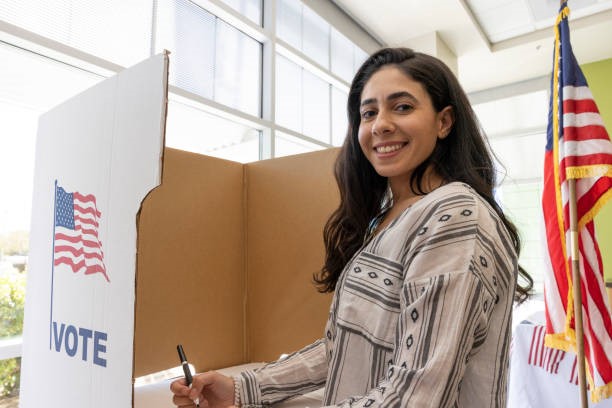
Did you make it to the voting polls on Super Tuesday? Did your candidates win?

I’m not supposed to talk about voting … or am I? Let me remind you: everything that happened, is happening, or might yet happen can be written about. I wrote for newspapers every week – sometimes several times a week – for over 22 years, and never ran out of subject material. Some of my acquaintances wrote five articles a week and never missed a deadline.

I’ve read about some authors who write a book a month. Now THAT’s what I call BUSY! When I asked one man if he ever got writers’ block, he laughed. “I don’t have time for writer’s block. I have work to do.”

You, also, don’t need to worry about writer’s block. If you get stuck, take a break. Or write about something else for a while. Our minds eventually clear – usually with more detail to write about – and we can proceed.

Learn to stay busy, but learn to enjoy the process. Have fun while writing, and make sure that you …

Write Creatively.

So, did you vote? I did. I may not have liked some of the results, but I will still do my best for society. I hope you do, too.

We are Products of our Decisions

A week ago, a young man, John, affirmed that we (all humans) are products of our environment, and wanted to know my thoughts about it. Before I commented, I wanted to make sure that I understood what he said, and what he meant. I wanted to understand his position before I attempted to help him understand mine. (That’s an application of Stephen Covey’s Principle #5 in his book, 7 Habits of Highly Effective People. I encourage you to read the book.)

After John reiterated his statement and affirmed is belief in it, our discussion proceeded. About 20 minutes later, our conversation ended on friendly terms, and John had changed his mind. He now understands that we are not products of our environments, but products of our decisions. The result of every decision we make is another “building block” in the foundation of our lives. So, make your decisions wisely, and please apply that bit of wisdom to all areas of your life.

But since our topics in these blogs are about writing and publishing, apply it here, too. Decide to be proactive in your writing endeavors. If you want to become an author, or if you are an author and want to get that next book published, you will need to overcome the ever-present hinderances and establish your plan to get it done.

Be gentle and considerate with family and friends as you help them understand your needs in completing your project. And as you proceed …

Write Creatively.

Are You Loquacious?

As a 10-year-old, I was having a difficult time explaining something to my dad. When I finished, he said, “Well, you certainly are loquacious.”

Later in life I learned that some writers are loquacious, but we often use the term verbose – using unnecessary words, filler material that does not help the story. Some time ago, I read a book and told my wife, “This author didn’t have much to say, and he spent a long time proving it.”

Writers – including myself – should not waste potential reader’s time with verbosity.

I’m not suggesting that we limit our words. What I am hinting at is to make our words meaningful. It isn’t the multiplicity of words that carry the story; the story is in the content of the words. We need to cut out the chaff, the fluff, the filler material, and let the readers feed on the meat. That takes time and planning.

Mark Twain understood it and said, “I didn’t have time to write a short letter, so I wrote a long one instead.”

President Woodrow Wilson addressed this subject in 31 words when he was asked to give an impromptu, short talk. “If I am to speak ten minutes, I need a week for preparation; If fifteen minutes, three days; if half an hour, two days; if an hour, I am ready now.”

Don’t be loquacious … I mean, verbose. Make every word count. And be sure to …

Write Creatively.

Happy March 1st

Well, what do you know? Today is special for several reasons. Among the many reasons, it is National Peanut Butter Lover’s Day, Baby Sleep Day, National ‘Dadgum That’s Good’ Day, National Speech and Education Day, and Share a Smile Day.

Oh yes, it also marks the anniversary of when the Continental Congress adopted the Articles of Confederation.

Hmmmmm …. Did I mention that it’s also National Horse Protection Day? Forgive me for the oversight.

I suppose I’ve taken up too much of your day, so I better sign off. Have a great March 1st, share a smile with someone, and …

Write Creatively.