The Art of Conversation

On October 5, 2015, Larry Alton wrote: “6 Tips to Rule the Art of Conversation.” Tip #5 is: “Let the other person do the talking.”

On July 21, 2014 Eric Barker listed 7 points of having a good conversation with #5th being: “Great Conversationalists Listen More than Talk.”

Brett and Kay McKay wrote “The Art of Conversation: 5 Dos and Don’ts” on September 24, 2010. #1 in the Dos section is “Listen more than you talk.” And #1 in the Don’ts section is: “Don’t interrupt.”

Yes, we should know how to prepare our thoughts, get our points across, guide the conversation, etc. But the best advice is: Don’t Interrupt.

That’s right: listen to the other person.

In New Mexico, a man came to talk about a problem. After about forty minutes of almost non-stop talking, he said, “Pastor Linzey, I need to get back to work now, but that’s one of the best conversations I ever had. I feel better already. Thank you.”

But I didn’t say much at all.
Interrupting someone as they are speaking is a manifestation of basic immaturity. Interrupting is rude. We expect interruption from a 3-year-old, but we should learn basic courtesy by the time we are eight. Interrupting reveals disregard for the one who is speaking.

One person often asks me a question, interrupts my answer, and forgets that he asked a question. And yes, I get good practice in listening.

As I was growing up, dad used to say, “When you talk, you’re not learning anything. But when you listen, you just might learn something. So practice listening.”

We should learn how to intelligently voice our thoughts. But the number one step in the art of conversation is the art of listening.  Listen to what’s being said so that you can respond intelligently.

James 1:19 (KJV) tells us, “Let every man be swift to hear, slow to speak….”

But there’s one more thought to this blog. Here it is, and I want you to think long and hard about it. “Learning to actively listen will make you a better writer.” Why do I say that?

I’ll explain it in my next blog. In the mean time …

Write Creatively.

We are Products of our Decisions

A week ago, a young man, John, affirmed that we (all humans) are products of our environment, and wanted to know my thoughts about it. Before I commented, I wanted to make sure that I understood what he said, and what he meant. I wanted to understand his position before I attempted to help him understand mine. (That’s an application of Stephen Covey’s Principle #5 in his book, 7 Habits of Highly Effective People. I encourage you to read the book.)

After John reiterated his statement and affirmed is belief in it, our discussion proceeded. About 20 minutes later, our conversation ended on friendly terms, and John had changed his mind. He now understands that we are not products of our environments, but products of our decisions. The result of every decision we make is another “building block” in the foundation of our lives. So, make your decisions wisely, and please apply that bit of wisdom to all areas of your life.

But since our topics in these blogs are about writing and publishing, apply it here, too. Decide to be proactive in your writing endeavors. If you want to become an author, or if you are an author and want to get that next book published, you will need to overcome the ever-present hinderances and establish your plan to get it done.

Be gentle and considerate with family and friends as you help them understand your needs in completing your project. And as you proceed …

Write Creatively.

Enjoy the Process, or Enjoy the Book?

I’ve known George (not his real name) for more than 10 years. He is bright, intelligent, and is successful in completing projects … when he wants to complete them. He’s written a weekly blog for over 15 years, and I learned that he has often mentioned to others that he would like to publish them in a book.

One day several years ago, I suggested that he select about 125 of the blogs, edit them, send them to a publisher, and get his book done. That’s when I learned he was a devoted procrastinator. However, George didn’t think it was procrastination; he thought he was spending time perfecting each article. The truth was, he enjoyed the process of writing.

After 13 more months with no progress to show, he finally got tired of his own waiting game and asked me if I would format and publish his book. I was glad to help.

Our editor completed her part within 3 days, and George could not believe his ears when, 5 days later, I told him the book was uploaded and ready to order.

After receiving a box of 20 of his books, he discovered the joy of holding them in his hands and making them available to his friends. His family told me he was thrilled with the product.

Dear reader, have you discovered the joy of being a published author, or are you still enjoying the process stage? Or have you started your manuscript? We at P & L Publishing and Literary Services are available to assist. Contact us by phone or by email on our Get in Touch page. We look forward to hearing from you.

By the way, Happy Leap Day, and don’t forget to …

Write Creatively.

Write for a Win-Win

When was the last time you heard someone say, “That’s a Win-Win?” That doesn’t work in baseball, football, basketball, and all the other sports. For a team to win, the other team has to lose, and for some reason people don’t like losing.

Okay, you know that. But how does win-win apply to writing? I’m glad you asked.

The answer is based on understanding. Author, speaker, and mentor Stephen R. Covey said in Habit #5 in his book, The 7 Habits of Highly Effective People, “Seek First to Understand, Then to Be Understood.” Learning to actively understand someone else and his/her point of view is mandatory to effectively communicate our thoughts.

That’s why we must know our target audience. We need to understand their interests, goals, needs, etc. If we understand them, our writing can appeal to them. They will enjoy our writing and we will sell more books. That is a Win-Win.

So invest the time necessary to establish and understand your target audience. You must write YOUR story in a manner that THEY understand and appreciate it.

That is the writers’ Win-Win. So make sure you …

Write Creatively

A Reminder about the Special Offer

P&L Publishing and Literary Services is offering a $100 discount as a Valentine’s Day special.

If you are writing a book – or are ready to publish one – contact us on our “Get In Touch” or contact page and tell us you read this blog. You’ll be surprised at how little it costs and how quickly we can publish your book. Contact us on or before Leap Day (February 29, 2024) to receive this offer.

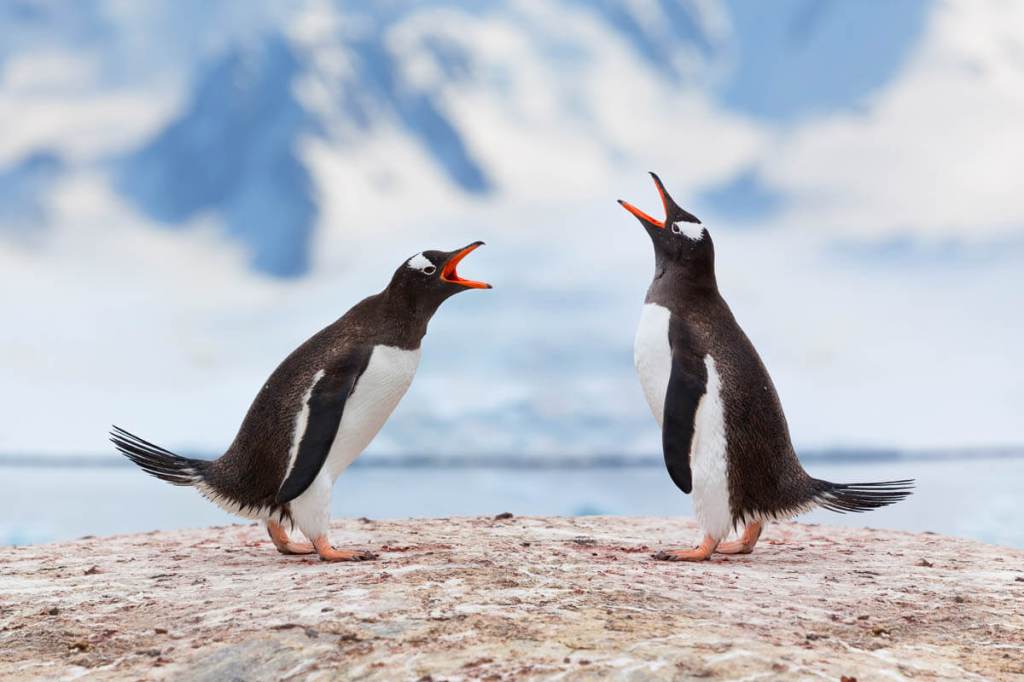
This little guy is effectively communicating with its friend. In like manner, share this blog with your friends. They might be glad you did.

Write Creatively

Creating a Character

Several months ago, after I had formatted and published a book for a friend, the author asked, “Do you know who the main character is styled after?”

“No, I hadn’t thought about it.”

“I already had a plot, but I formed the primary character after a man that we both know. That made it easy because I didn’t have to create the character. You wouldn’t recognize him because I added a few other traits to mask his identity.”

That’s good thinking, and it greatly reduced his writing time.

Use the character traits of a friend, family member, or even someone you don’t like. Use them to form your heroes and villains. You can also take notes of what you observe about someone you just met and set your imagination free to think about what that kind of person might do in various situations. A story idea can pop up without much effort.

Writing can be fun. It takes time, but it can be easy. So, sit down and write that next book. And make sure that you …

Write Creatively

Long-Term Benefits

In my high school days, I sometimes stayed up all night trying to get ready for a test. While I might have passed the test, I didn’t remember much. I eventually learned that spending time gaining temporary benefits often resulted in an overall loss, but investing time paying continuous, daily attention to life provided long-term dividends. Therefore, I began developing good study habits.

How do I apply that to writing? I’m glad you asked.

Don’t expect to sit down and write your book overnight. Be Proactive. Don’t create or accept excuses for lack of progress. Respond properly to situations, but stop being overly concerned about things over which you have no control. Don’t get stressed, but focus on what you need to be doing.

Take that vacation. Enjoy your anniversary. Spend time with family. But don’t forget that blogs and books don’t write themselves.

Can you write your book in a month? Yes, it’s possible. Some people know what they want to write and can write fast. If you are writing a novella (18,000 – 40,000 words) or a nonfiction book, it is possible to finish a book in 30 days if you are dedicated and consistent with your writing sessions.

So determine your goal, establish your pace, and identify a good editor. Author, speaker, and teacher John Bytheway said, “Inch by inch, life’s a cinch. Yard by yard, life’s hard.”

Remember that P&L Publishing and Literary Services (plpubandlit.org) is here to assist you. And don’t forget to …

Write Creatively